

Melasma/Blemishes/Age Spots
Laser treatment matched to the depth and type of pigmentation
Melasma/Blemishes/Age Spots
Pigmentation & Dark Spots
What Is Melasma/Blemishes/Age Spots
Treatment?
Completed at Dojagi:
clear skin free of melasma · blemishes
From melasma, blemishes and freckles caused by sunlight, aging and hormonal changes
to various pigment disorders, achieve clear, clean skin
with Dojagi's own laser · regeneration combined solution.
Treatment Info
- Treatment Time
- 10–30 minutes, depending on the laser and area
- Anesthesia
- Numbing cream if needed
- Recovery Period
- Depending on the laser, daily activities right away or scabs for 1–2 weeks
- Recommended Sessions
- Multiple sessions for melasma, 1–2 sessions for moles · age spots
Redness and heat sensation after treatment usually subside within a few hours to days. The laser and number of sessions are decided at the consultation based on the depth and type of pigmentation, and results and how long they last vary from person to person.
Causes of Hyperpigmentation
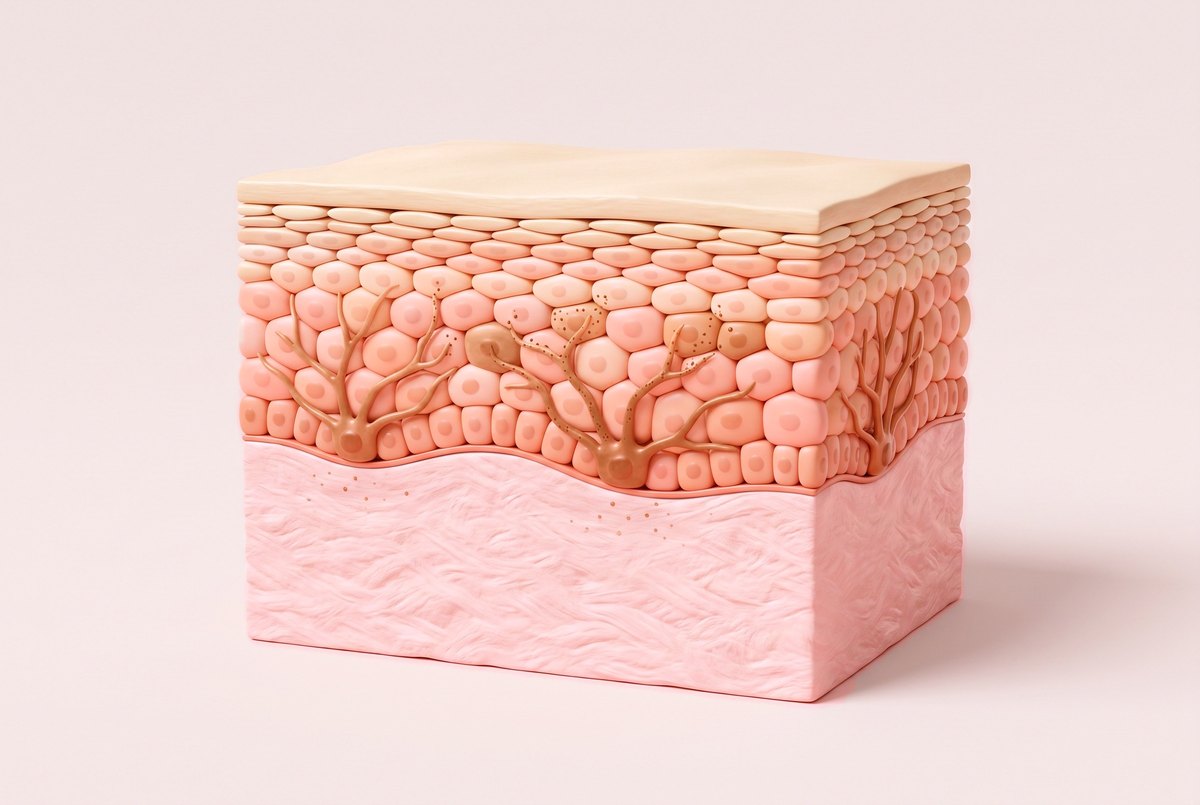
Hyperpigmentation is caused by melanocytes. Melanocytes, located at the very bottom of the epidermis, send the pigment our skin needs throughout the skin through branch-like projections.
Melanocytes protect the skin from UV rays, but with excessive exposure, their number increases rapidly, they grow larger, and they produce large amounts of melanin. As a result, melanin is distributed unevenly in the skin, creating various blotchy spots.
In the case of skin inflammation in particular, not only the epidermis but also the dermis is injured, damaging the melanocytes and causing pigment to sink toward the dermis. If that area is exposed to UV rays, even more pigment builds up in the dermis, resulting in post-inflammatory hyperpigmentation.
Types of Hyperpigmentation
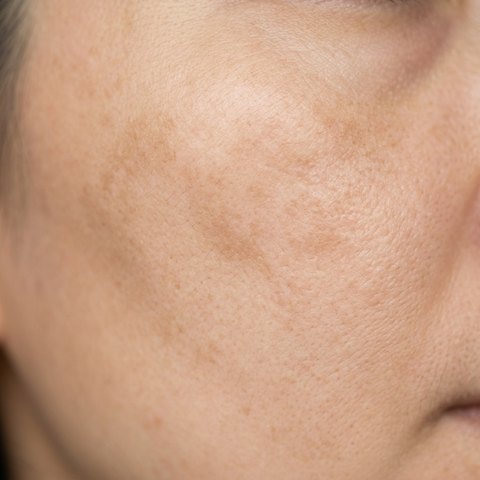
Melasma
It appears mainly in women from their 20s–30s onward, as excessive melanin forms in areas that get a lot of sun, appearing as brown patches of various sizes and irregular shapes. It often appears around the eyes and on the cheekbones, and female hormones, UV rays, pregnancy and oral contraceptives are cited as major causes.
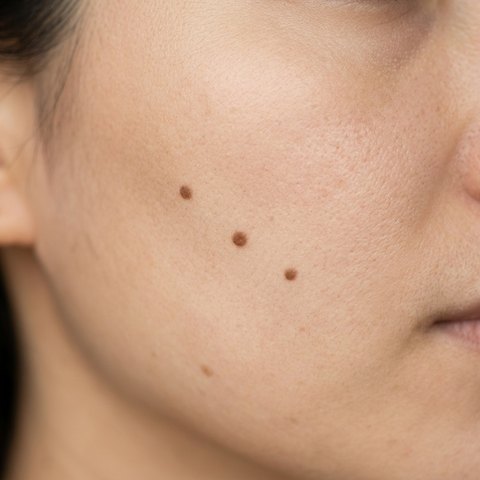
Moles
The word mole is commonly used for any pigment deposited on the skin, but medically, a mole refers only to a nevus made up of nevus cells. Why moles form is not clearly understood, but they are thought to be caused by developmental abnormalities of melanocytes, the pigment-forming cells, or by genetic factors.
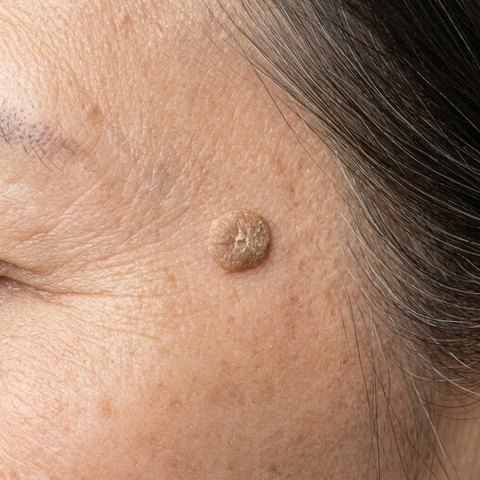
Age Spots
Age spots are benign skin tumors made up of keratinocytes of the epidermis. They have clear borders, are raised, and range in size from a few mm to a few cm. They do not heal on their own, and their number tends to increase with age.
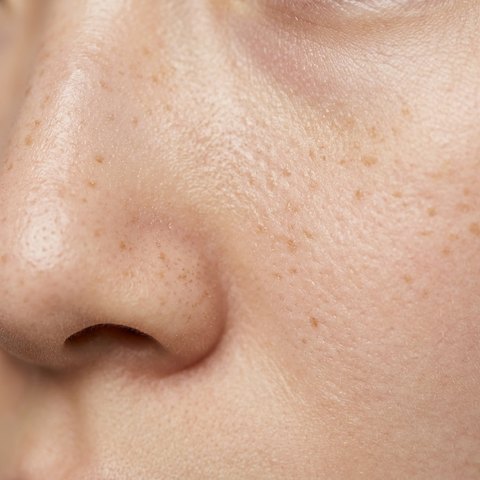
Freckles
Small light-brown to dark-brown spots that appear mainly on sun-exposed skin. They have a genetic component and are common in fair-skinned women in their teens–20s. The small spots appear on exposed areas such as the face, neck and shoulders, looking as if sesame seeds had been sprinkled over them.
Melasma/Blemishes/Age Spots Treatment Steps
- STEP 01
Skin Analysis and Consultation

We examine the depth and type of pigmentation with a skin analysis device and decide on the right laser.
- STEP 02
Cleansing and Numbing Cream
The treatment area is cleansed, numbing cream is applied if needed, and you wait a short while.
- STEP 03
Laser Treatment by Layer
The laser is applied with the wavelength and power adjusted to epidermal · dermal pigmentation.
- STEP 04
Soothing and Regenerative Care

The treated area is soothed, and we provide regenerative care and explain the precautions after treatment.
Recovery After Treatment
- Day of Treatment
Redness and heat sensation may occur. For treatments that do not leave scabs, you can return to daily activities right away in most cases.
- After 2–3 days
Pigment may look darker for a while, or small scabs may form. Do not pick them off. Let them fall off on their own.
- After 1–2 weeks
Scabs where moles · age spots were removed fall off, and the new skin looks pinkish for a while.
- After 2–4 weeks
For melasma care that takes multiple sessions, the next session is done at this interval.
Recovery speed and results vary by person and laser.
Who Is Hyperpigmentation Treatment For?
Tap the items that apply to you
Hyperpigmentation Treatment:
Why DOJAGI?
- Point 01
Accurate Diagnosis, Starting with the Cause
Precisely identifies the depth, type and cause of each person's pigmentation.
- Point 02
Customized Laser Plan by Layer
Safely improves pigmentation by adjusting the wavelength · power to epidermal · dermal pigment.
- Point 03
Multi-Care That Considers Recurrence
After pigment removal, soothing · regeneration programs are added according to your skin condition, all the way to preventing recurrence.
Melasma · Blemish · Age Spot Treatment Devices
Clear skin without hyperpigmentation
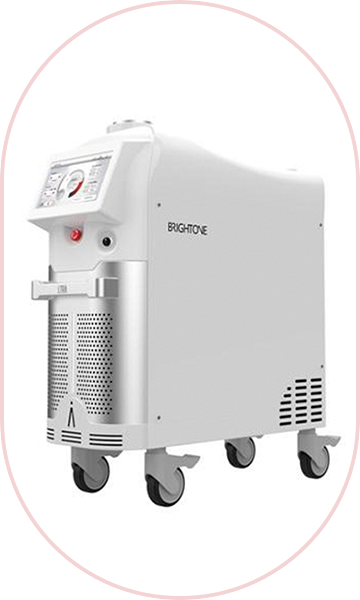
Brightone
BRIGHTONE
A premium combination laser platform that combines broadband light (IPL) energy and a fractional laser: a customized laser device that improves blemishes · redness · pores · photoaging and also cares for skin firmness, tone and texture at the same time.
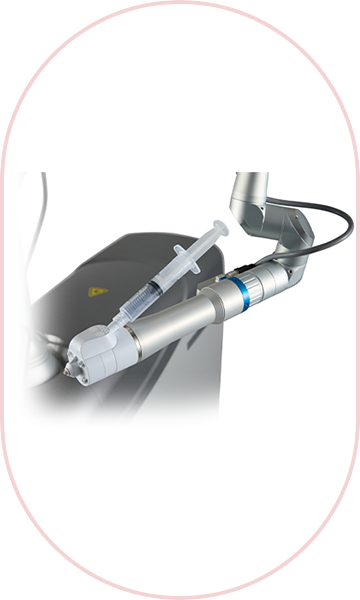
Erbium Laser
ERBIUM
A low-irritation laser device that uses 2,940nm wavelength energy, selectively absorbed by water in the epidermis, to precisely vaporize only lesions in the epidermal layer while minimizing damage to surrounding tissue.
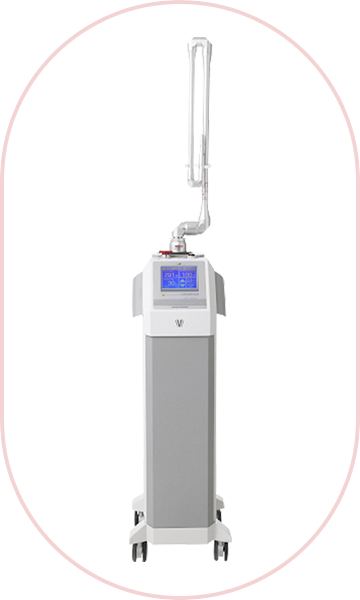
Co2
CO2
A high-precision laser device that delivers fine, ultra-short-pulse energy to precisely vaporize and coagulate skin tissue, effectively improving scars, pores and skin texture and inducing fast regeneration.
How Is It Different from Similar Treatments?
Three treatments with different approaches to skin tone and texture.
-

PigmentationMelasma/Blemishes/Age Spots
Manages melasma, blemishes and age spots with lasers matched to the depth and type of pigmentation.
The treatment you are viewing -

Redness & AcneFacial Redness/Acne
Examines the causes of breakouts and your skin type, then addresses redness and acne with soothing · regenerative care.
View More — Facial Redness/Acne -

Pore & ScarPore Reduction/Scars
Customized regenerative care smooths the texture of enlarged pores and scar marks.
View More — Pore Reduction/Scars
FAQ
Frequently Asked Questions
QDoes melasma go away in one session?
Melasma is affected by hormones and UV rays, and the pigment often reaches the dermis, so it is usually treated in multiple sessions every 2–4 weeks. Even after it improves, it can darken again, so sun protection and maintenance care are important. The number of sessions and progress vary from person to person.
QHow many treatments do moles or age spots need?
It depends on size and depth, and most are treated in 1–2 sessions. Scabs form where the laser removed them and usually fall off within 1–2 weeks. Deep moles are sometimes treated once more, depending on the remaining pigment.
QCan pigmentation get darker after laser treatment?
Temporary hyperpigmentation may occur due to an inflammatory reaction after treatment. Most of it fades over several weeks to several months, and it can be reduced with sun protection and soothing · regenerative care. If it lasts long, the clinic will check your progress.
QWhen can I wash my face and wear makeup after treatment?
For treatments that do not leave scabs, you can usually wash your face gently and wear makeup from the next day. Use regenerative tape or ointment on areas with scabs, and avoid makeup on those areas until the scabs fall off.
QWhat if melasma treatment had little effect?
If the depth and type of pigmentation differ, the right laser and power differ as well. We re-examine the condition of your pigmentation with skin analysis and decide on the laser combination and interval together at the consultation.
Possible Reactions and Precautions After Treatment
| Treatment Areas | Redness, heat sensation and mild swelling may occur and usually subside within a few hours to days. Scabs form where moles · age spots were removed and usually fall off within 1–2 weeks. |
|---|---|
| What to Avoid After Treatment | Do not pick off scabs. For 2–3 days, avoid saunas, hot packs, alcohol and strenuous exercise. |
| Daily Care | Apply sunscreen (SPF 30 or higher) thoroughly, and block sunlight with a hat or parasol. For 1 week, avoid exfoliation, peels and scrubs, and apply plenty of moisturizer. |
| When to Contact the Clinic Right Away | If blisters or oozing appear, if redness or pain gets worse, if the color darkens or lasts long after scabs fall off, or if you develop a fever or hives |
Reactions and recovery periods vary by person and laser. The medical team will explain them at your consultation before treatment.
A special space where beauty is completed