

Rhinoplasty
Rhinoplasty that considers the lines of the nasal bridge and tip together with comfortable breathing
Rhinoplasty (Cosmetic & Functional)
Nose Surgery
What Is
Rhinoplasty (Cosmetic & Functional)?
Changes that differ in the details
From a three-dimensional nasal bridge to a delicately balanced nasal tip,
perfection hidden in natural change!
Dojagi's own premium rhinoplasty
Surgery Info
- Surgery Time
- 1–3 hours, depending on the type
- Anesthesia
- Sedation or general anesthesia
- Splint · Stitch Removal
- About 7 days after surgery
- Recovery Period
- Major swelling about 2 weeks
Swelling and bruising are worst in the first week after surgery and subside in about 2 weeks. The nose line settles over 3–6 months, and recovery speed varies by surgical method and person.
Rhinoplasty for Comfortable Breathing, Too
At Dojagi Clinic, rhinoplasty is performed personally by a board-certified otolaryngologist, with careful surgery that considers both aesthetic line improvement and restoration of breathing function.
Experience the true value of cosmetic & functional rhinoplasty: overall facial harmony, an ideal nose line and comfortable breathing.
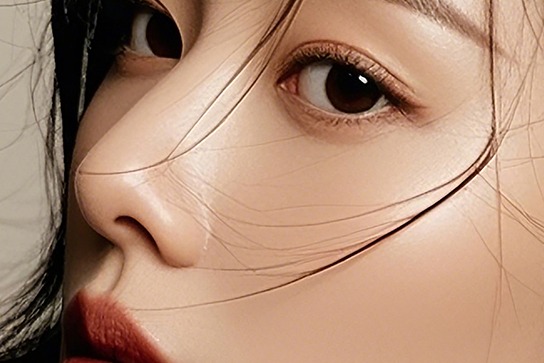
Rhinoplasty Types
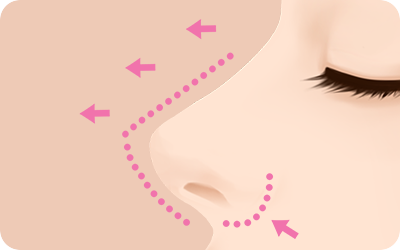
Cosmetic Rhinoplasty
Focused on improving shape, such as a low nose, hump nose, upturned nose, arrow-shaped nose or crooked nose
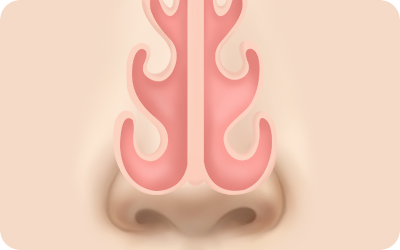
Functional Rhinoplasty
Cosmetic rhinoplasty combined with correction of internal nasal structure problems such as rhinitis, nasal septum and nasal valve stenosis
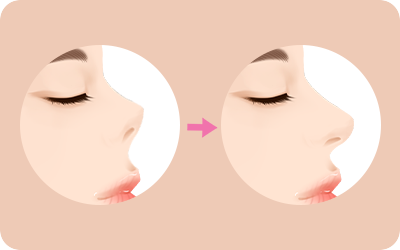
Revision Rhinoplasty
Improves unsatisfactory results of surgery at another clinic, a contracted nose, or functional problems after plastic surgery
Rhinoplasty Steps
- STEP 01
1:1 Consultation and
Nasal Structure Analysis
We examine the shape of the nasal bridge and tip together with the inner nasal structure and breathing.
- STEP 02
Nose Line Design
Tailored to Facial Harmony
We decide on the line you want and the corrections needed, and choose the surgical method.
- STEP 03
Precise Surgery
After Anesthesia
After sedation or general anesthesia, surgery is performed using the chosen method.
- STEP 04
Splint · Stitch Removal and
Progress Check
After about 7 days, the splint and stitches are removed and recovery is checked.
Recovery After Surgery
- Day of surgery–Day 3
A splint is applied, and swelling and bruising appear. Your nose may feel blocked. Apply cold compresses until the stitches are removed.
- Around Day 7
The splint and stitches are removed. Makeup on areas other than the surgical site is possible from this point, but waiting until 2–3 days after stitch removal is recommended.
- After 2–3 weeks
Most major swelling and bruising subsides, and nasal congestion improves.
- After 3–6 months
Remaining swelling goes down and the nose line settles. Swelling at the nasal tip may last longer.
Recovery speed and the time it takes for swelling to go down vary by surgical method and person.
Who Is Rhinoplasty For?
Tap the items that apply to you

Rhinoplasty:
Why DOJAGI?
- Point 01
Specialist Medical Team
Surgery performed personally by a board-certified otolaryngologist with a deep understanding of the nose's anatomical · functional structure
- Point 02
Functional · Cosmetic Improvement Together
Cosmetic & functional improvement can be done together, including the nasal septum and nasal valve
- Point 03
Safety
Minimal side effects through the use of safe implants · autologous tissue
DOJAGI Clinic's
Premium Recovery Program
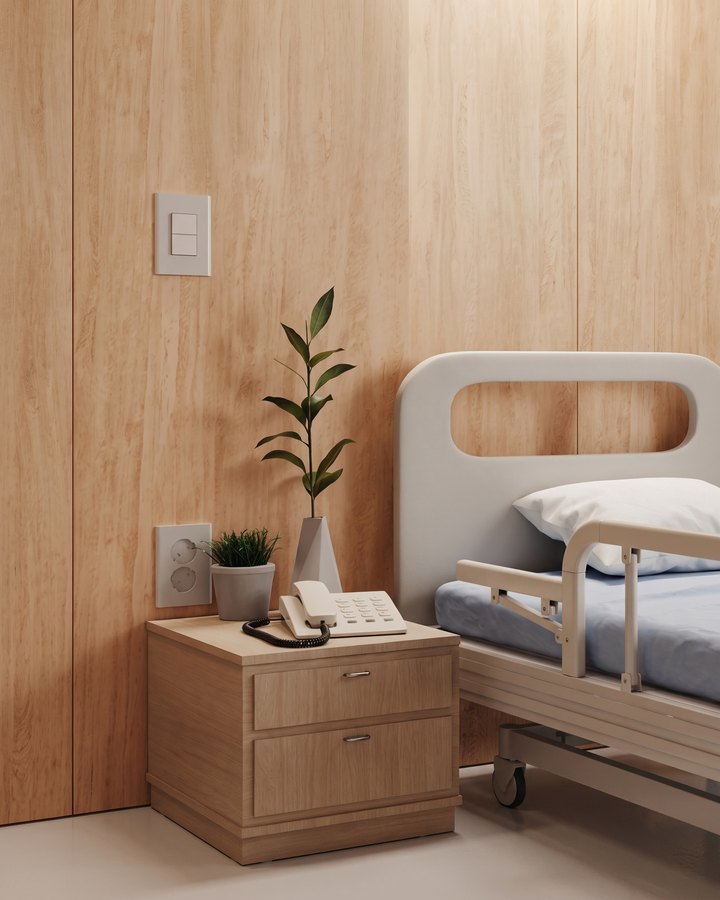 01
Private Recovery Room
A personal space optimized for rest and recovery of body and mind
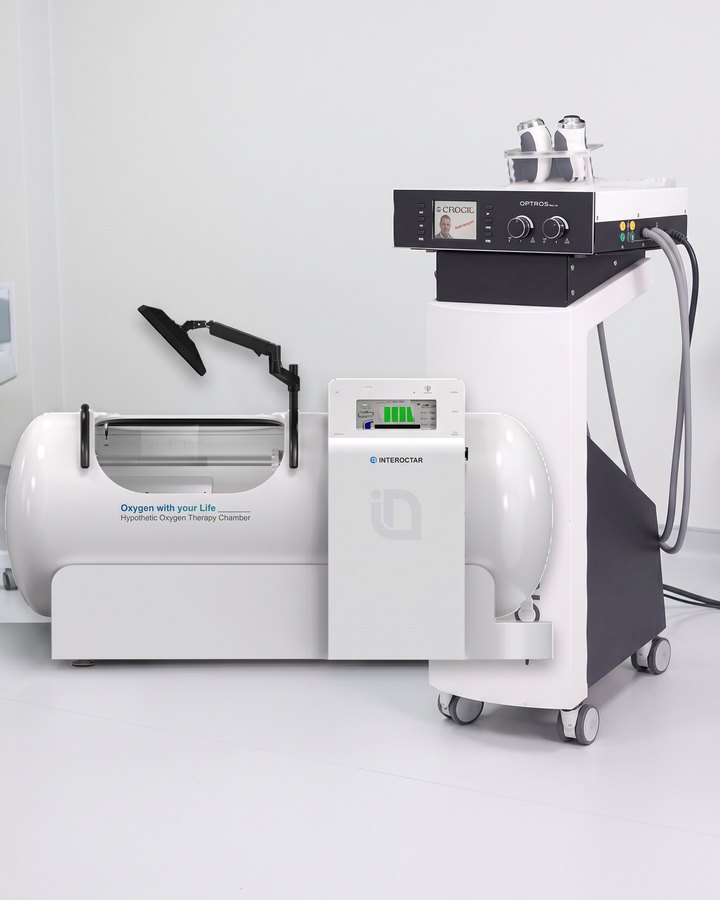 02
Hyperbaric Oxygen Chamber · Regenerative Laser Care
Relieves swelling · bruising and promotes skin regeneration
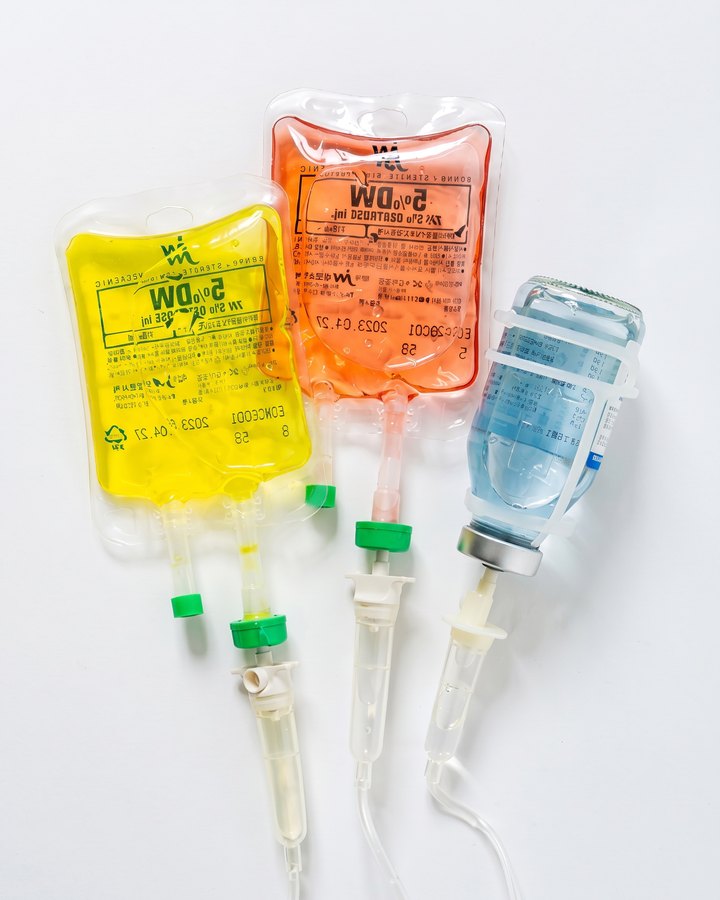 03
Nutrition · Immunity Support Program
IV · injection therapy that boosts recovery and skin regeneration
How Is It Different from Similar Surgeries?
Three plastic surgeries that refine facial impression and lines.
-

Nose SurgeryRhinoplasty (Cosmetic & Functional)
Surgery that improves the lines of the nasal bridge and tip while also considering comfortable breathing.
The surgery you are viewing -

Eye SurgeryEye Plastic Surgery
Eyes that suit you, designed to fit your eye structure and facial balance.
View More — Eye Plastic Surgery -

Anti-aging SurgeryYouthful Face Surgery
Improves skin sagging, deepened wrinkles and lost volume from aging, according to your facial structure.
View More — Youthful Face Surgery
FAQ
Frequently Asked Questions
QCan I have cosmetic and functional rhinoplasty together?
If there is a problem with the inner nasal structure, such as the septum or nasal valve, it can be corrected along with the shape. At the consultation, we first check the inside of your nose and your breathing as well as the shape.
QHow are implants or autologous tissue chosen?
It is decided based on the thickness of the nasal skin, how much height you want, and whether you have had previous surgery. Implants are often used for the bridge and autologous tissue such as septal or ear cartilage for the tip. The decision is made with the medical team at the consultation.
QWhen does the swelling go down?
Swelling and bruising are worst in the first week after surgery, and major swelling subsides in about 2 weeks. It takes 3–6 months for the nose line to look natural, and swelling at the nasal tip may last longer.
QIs it hard to breathe after surgery?
Right after surgery, your nose may feel blocked because of swelling and the splint, and this improves as the swelling goes down. Do not blow your nose hard, and let the clinic know if the discomfort continues.
QWhen can revision rhinoplasty be done?
It is best done after the tissue has fully recovered, so the consultation usually takes place at least 6 months after the previous surgery. If there is contracture or inflammation, the timing depends on your condition.
Precautions After Rhinoplasty
Care after surgery is just as important as the surgery itself.
Recovery speed and progress may differ from person to person, and side effects such as bleeding or inflammation may occur depending on aftercare, so careful attention is needed.
- Until the stitches are removed, applying cold compresses is recommended. (However, do not press the surgical area hard while applying compresses, and wrap the pack in gauze or a thin towel.)
- Apply cold compresses for about 10–15 minutes, rest briefly, and repeat every 3 hours.
- Avoid sleeping face down, bending your head down, or putting pressure on your face, as these can affect swelling and recovery.
- Alcohol and smoking can cause inflammation or swelling, so it is best to avoid them for 1 month after surgery.
- Take and apply all prescribed medications and ointments without missing any. (It is especially important to follow the schedule you were given during the early recovery period.)
- Makeup on areas other than the surgical site is possible from 7 days after surgery, but if possible, we recommend waiting until 2–3 days after stitch removal.
A special space where beauty is completed