

Hair Transplant
Hair transplants that fill in strand by strand, matched to your face shape and forehead proportions
Hair Transplant
Hair Transplant
What Is
a Hair Transplant?
A refilled hairline, regained confidence
Hair is an important element that completes your impression and confidence.
Dojagi Clinic brings out the direction of every single strand
to create natural, high-density change.
Surgery Info
- Surgery Time
- 4–8 hours, depending on the graft amount
- Anesthesia
- Local anesthesia (sedation if needed)
- Scab Shedding
- 7–14 days after surgery
- Settling In
- New hair at 3–4 months, about 1 year
Transplanted hair temporarily falls out between 2–6 weeks and grows back from 3–4 months. Density settles over about 1 year, and results vary with hair condition and graft amount.
The Moment the Mirror Changes: Hair Transplant
Our hair transplants apply precise techniques that minimize the risk of damage and increase the graft survival rate throughout the whole process, from follicle harvesting to transplantation.
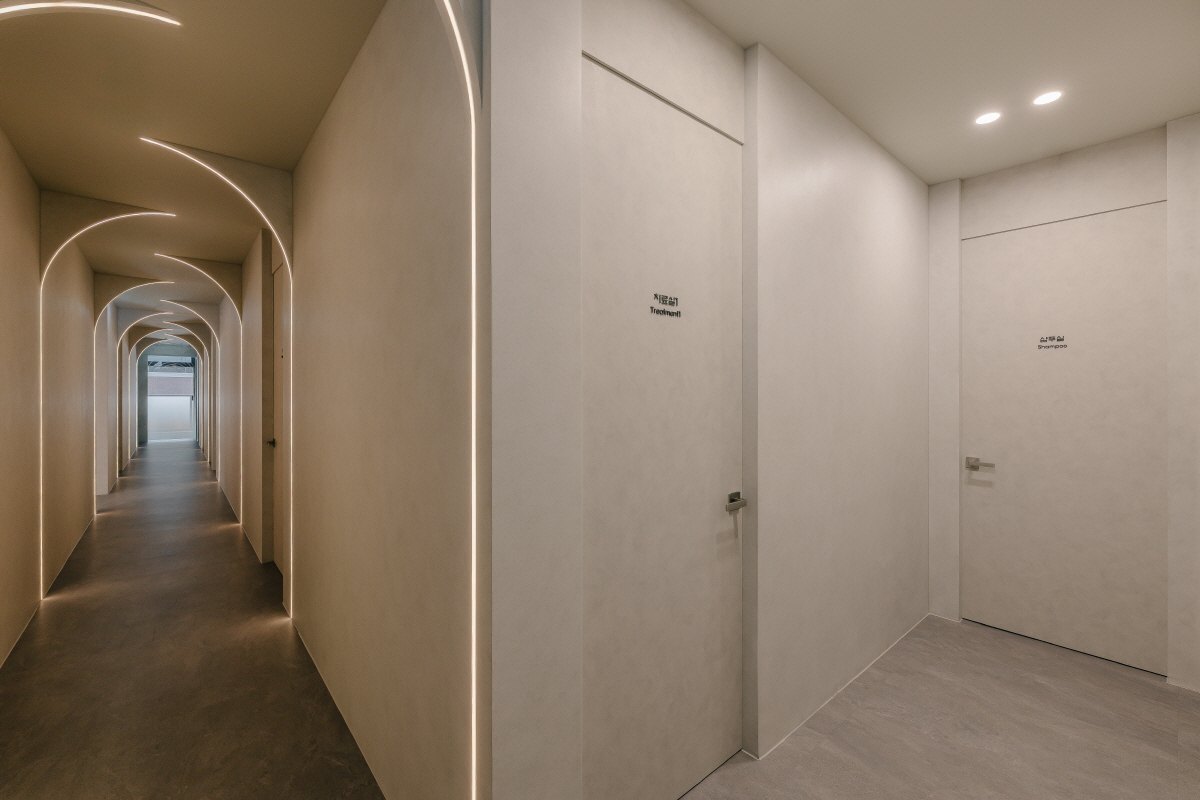
Based on follicular-unit harvesting · transplant techniques and analysis of the causes of scalp · hair loss problems, Dojagi Clinic provides designs optimized for each area, such as the forehead · crown · hairline, aiming for natural results even right after surgery.

Hair Transplant Methods
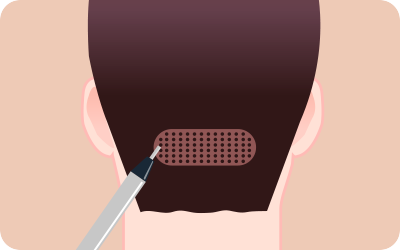
Non-Incisional (FUE) Hair Transplant
Harvests follicular units without incisions, for minimal concern about scarring and fast recovery
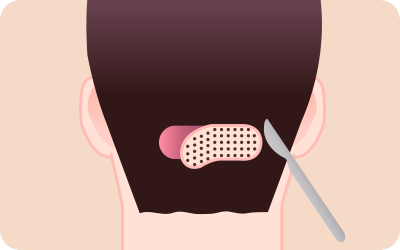
Incisional (FUT) Hair Transplant
Follicles are harvested after an incision in the scalp at the back of the head, allowing a large-volume transplant
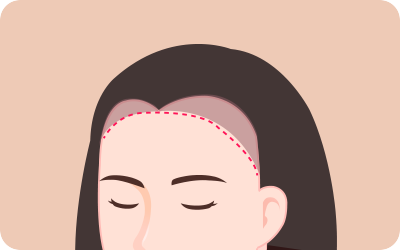
Hairline Correction
Natural hairline correction tailored to your face shape and forehead proportions
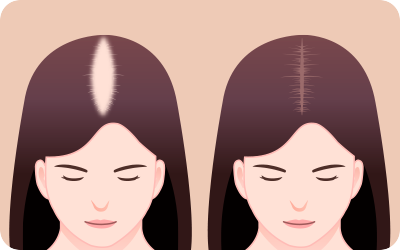
Crown · Whorl Restoration
Concentrated transplanting in areas of low density to improve crown volume
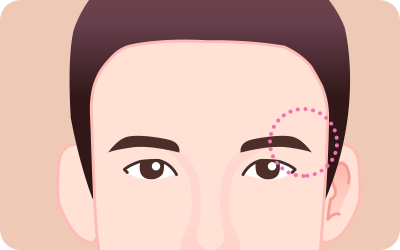
Eyebrow Transplant
Defined, thick eyebrows matched to your features, for a neater impression
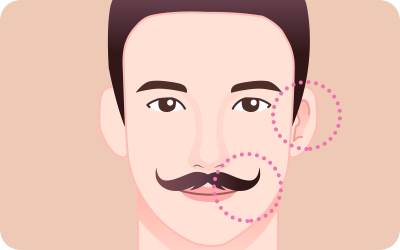
Beard · Sideburn Transplant
Creates a more masculine image or complements a protruding mouth or square jaw
Hair Transplant Steps
- STEP 01
1:1 Consultation and
Hair Loss Cause Analysis
We examine the extent of hair loss, the scalp condition and the follicles at the back of the head, and decide the graft amount.
- STEP 02
Hairline Design
Tailored to Your Face Shape
We draw the line and density to be transplanted, considering forehead proportions and hair direction.
- STEP 03
Follicle Harvesting and
Precise Transplant
After local anesthesia, follicles are harvested and planted one by one in the designed areas.
- STEP 04
Graft Survival and
Progress Checks
We regularly check on the process as scabs fall off and new hair grows.
Recovery After Surgery
- Day of surgery–Day 3
Swelling may move down to the forehead. Avoid sweat, heat and friction, and focus on cold compresses.
- After 7–14 days
Scabs on the transplanted area fall off on their own. Do not pick or scratch them.
- After 2–6 weeks
Transplanted hair temporarily falls out. The follicles remain, so the hair grows back.
- After 3–12 months
New hair grows from 3–4 months, and density settles over about 1 year.
Recovery speed and how much new hair grows vary with graft amount and person.
Who Is a Hair Transplant For?
Tap the items that apply to you
Hair Transplant:
Why DOJAGI?
- Point 01
Customized Transplant Planning
Optimal design for each area, based on analysis of hair thickness, direction and growth cycle
- Point 02
Precise Follicle Harvesting
Micro-harvesting tools minimize follicle damage and secure healthy follicles
- Point 03
Safety First
Thorough hygiene · infection prevention protocols applied before and after surgery
DOJAGI Clinic's
Premium Recovery Program
 01
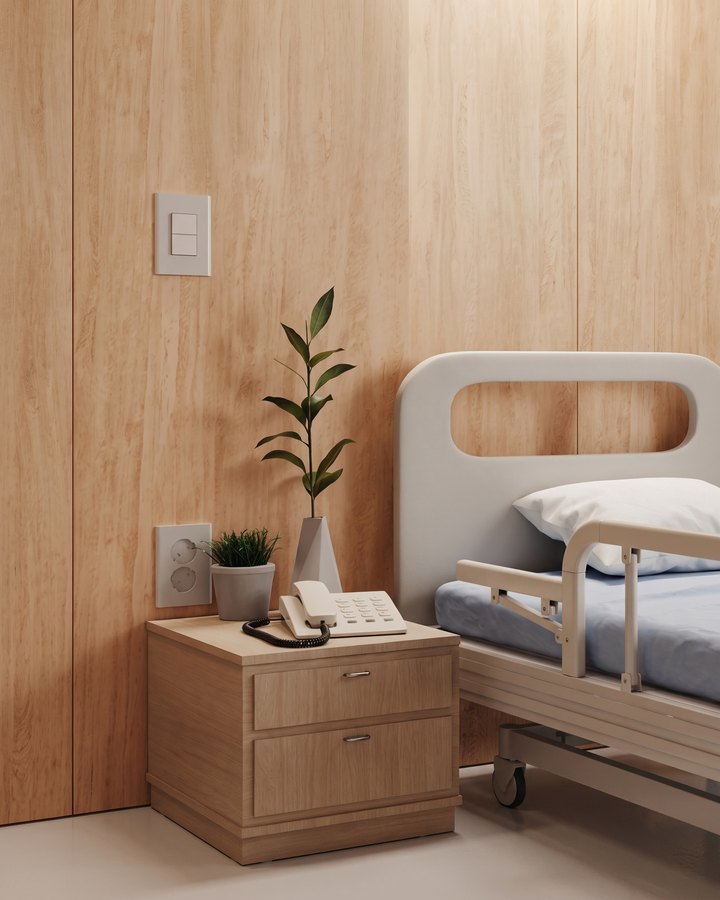
Private Recovery Room
A personal space optimized for rest and recovery of body and mind
 02
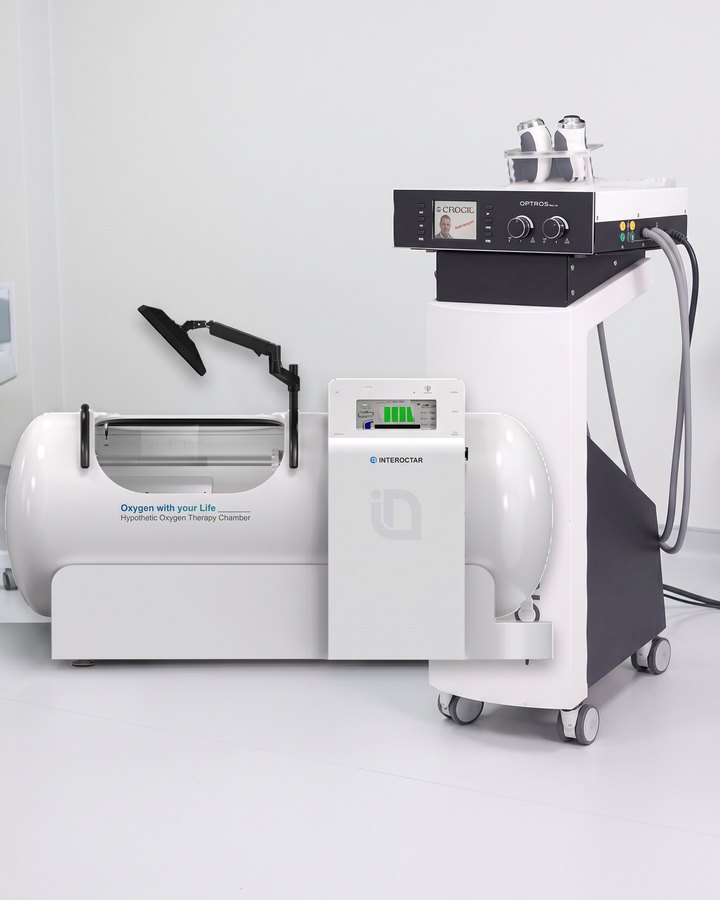
Hyperbaric Oxygen Chamber · Regenerative Laser Care
Relieves swelling · bruising and promotes skin regeneration
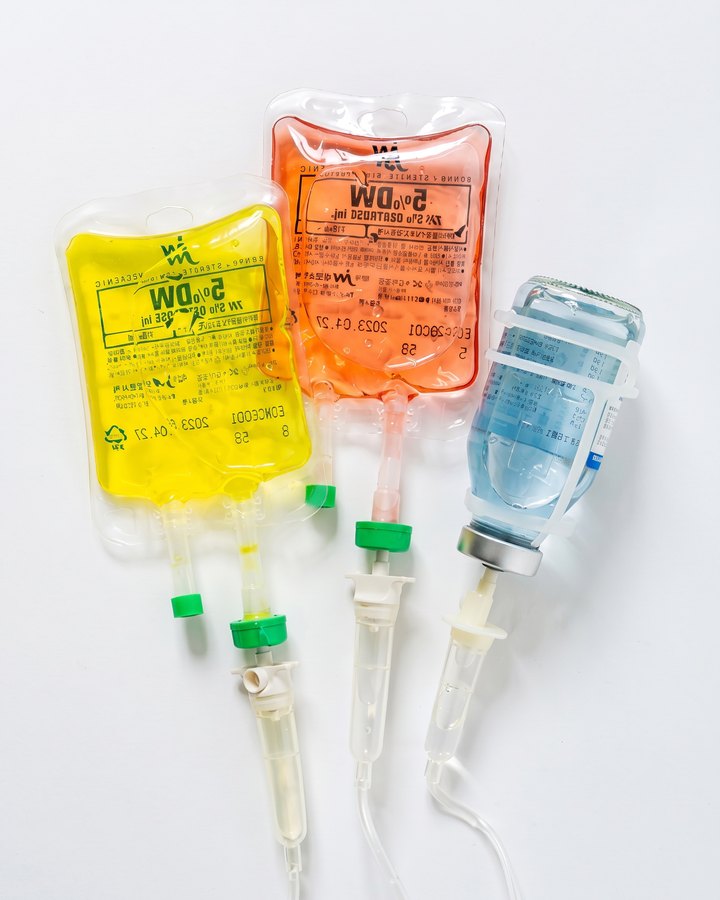 03
Nutrition · Immunity Support Program
IV · injection therapy that boosts recovery and skin regeneration
How Is It Different from Similar Surgeries?
Three plastic surgeries that refine facial impression and proportions.
-

Hair TransplantHair Transplant
Follicles are harvested and transplanted one by one, with a design matched to your face shape and forehead proportions.
The surgery you are viewing -

Anti-aging SurgeryYouthful Face Surgery
Improves skin sagging, deepened wrinkles and lost volume from aging, according to your facial structure.
View More — Youthful Face Surgery -

Eye SurgeryEye Plastic Surgery
Eyes that suit you, designed to fit your eye structure and facial balance.
View More — Eye Plastic Surgery
FAQ
Frequently Asked Questions
QIs it normal for the transplanted hair to fall out?
Transplanted hair often falls out temporarily between 2–6 weeks after surgery. The follicles remain in the scalp, and new hair grows back from 3–4 months.
QHow is non-incisional or incisional decided?
It is decided based on the amount to be transplanted, the condition of the follicles at the back of the head, and your concern about scarring. Non-incisional (FUE) harvests follicles one by one with less concern about scarring, while incisional (FUT) can harvest a large amount at once and suits larger areas.
QHow is the graft amount decided?
It is decided by looking at the extent of hair loss, the density you want and the amount of follicles that can be harvested from the back of the head. The medical team will explain after examining your scalp directly at the consultation.
QDoes the surgery hurt?
Local anesthesia is used, with sedation added if needed. You may feel a sting when the anesthetic is injected, and how much you feel varies from person to person.
QDo I need to care for my existing hair too?
Unlike transplanted hair, existing hair may continue to be lost, so depending on your scalp condition, medication or scalp care may also be recommended. This is decided with the medical team at the consultation.
Precautions After Hair Transplant
Care after surgery is just as important as the surgery itself.
Recovery speed and progress may differ from person to person, and side effects such as bleeding or inflammation may occur depending on aftercare, so careful attention is needed.
- For 2–3 days after surgery, avoid sweat, heat and friction as much as possible and focus on cold compresses.
- Do not touch or scratch the transplanted area, and leave it alone until the scabs fall off naturally.
- Avoid bending your head down, exercise, saunas and long periods of driving for at least 1 week.
- Avoid wearing hats if possible. If you must, use only a loose hat that does not press on the transplanted area.
- Alcohol and smoking can delay wound healing and cause inflammation, so please avoid them for 1 month after surgery.
- Smoking in particular can interfere with blood circulation, delaying recovery and raising the risk of inflammation.
A special space where beauty is completed